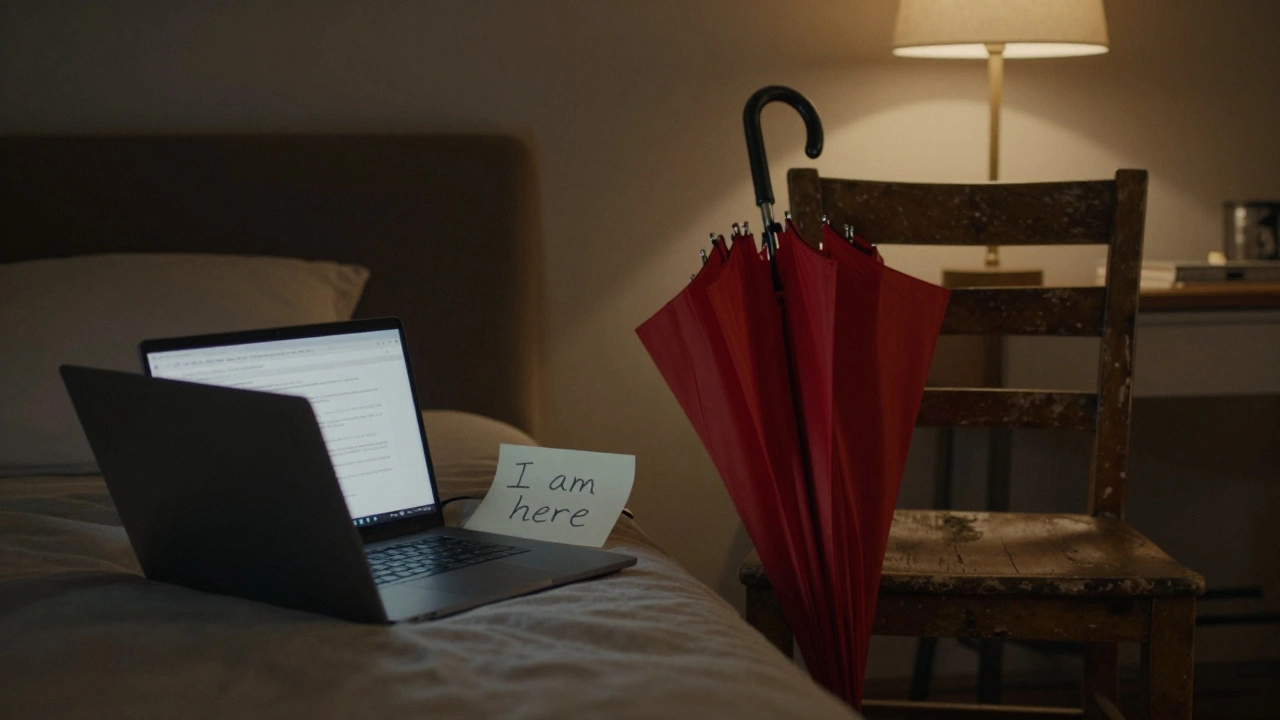
The Red Umbrella Diaries isn’t just another blog. It’s a living archive of voices too often silenced-sex workers, survivors, advocates, and allies-who refuse to be erased by stigma or law. Every story shared here is a brick in a wall of dignity, built by people who’ve been told their work doesn’t matter, their lives aren’t worthy of protection, or their choices are invisible. This isn’t about morality plays or sensational headlines. It’s about survival, autonomy, and the quiet courage it takes to say: I am here, and I deserve to be heard.
Some people stumble onto stories like this through curiosity. Others because they’ve walked the same streets, taken the same calls, or felt the same fear when the police showed up unannounced. If you’ve ever done an escort massage in a city where the rules shift like sand, you know how quickly safety can vanish. That’s why these stories matter-they’re not just personal, they’re political. And they’re not just for those who’ve lived them. They’re for everyone who’s ever looked away.
Why the Red Umbrella?
The red umbrella became a symbol in 2001, when sex workers in Venice, Italy, held their first public march. They carried it not as a sign of shame, but as a flag of resistance. Red for blood, for passion, for warning, for life. Since then, it’s been raised in cities from Bangkok to Berlin, from Mexico City to Manchester. It’s a signal: we are not criminals. We are workers. We have rights.
But symbols mean nothing without stories. The Red Umbrella Diaries collects those stories-not polished, not edited for comfort, but real. A mother working nights to pay for her child’s insulin. A trans woman who found safety in a client’s home after being kicked out of three shelters. A retired sex worker who now teaches legal rights to newcomers. Each entry is signed, dated, and verified. No anonymity required. Because silence is the real danger.
What This Project Actually Does
This isn’t a fundraiser. It’s not a petition. It’s not even a support group, though people often find community here. The Red Umbrella Diaries is a public record. Think of it like a museum, but one you can write in. You submit your story-text, audio, video, even drawings-and it becomes part of a growing archive that researchers, journalists, and policymakers can’t ignore.
Lawmakers in the UK have cited these diaries in parliamentary debates on decriminalization. Academics at the University of Liverpool have used them to map patterns of police harassment. One entry, from a woman in Glasgow, led to a change in how local councils handle housing applications from sex workers. That’s the power of documented truth.
You don’t need to be famous. You don’t need to be brave in the Hollywood sense. You just need to be willing to say what happened. Even if it’s messy. Even if it’s painful. Even if you’re not sure it matters.
How to Contribute
There are three ways to join:
- Submit your story. Go to the website. Click ‘Share Your Story.’ Choose whether you want to use your name, a pseudonym, or remain anonymous. Upload text, voice, or video. No judgment. No pressure.
- Amplify someone else’s story. Share a post on your socials. Tag a friend who might need to see it. Write a comment. Silence kills. Visibility saves.
- Volunteer. We need translators, editors, web designers, and people who can help with legal outreach. You don’t need experience. Just willingness.
There’s no deadline. No quota. No perfect way to do this. Your story doesn’t have to be heroic. It just has to be yours.

Why This Matters Now
2025 has seen a sharp rise in anti-prostitution laws across Europe. In the UK, new legislation under the guise of ‘protecting women’ has made it harder for sex workers to screen clients, share safety information, or even work in groups. The result? More violence. More isolation. More deaths.
Meanwhile, global demand for commercial sex services continues to grow-especially in places like Dubai, where the rules are murky and enforcement is selective. Some people travel there for massage escort dubai services, unaware that the people behind those ads are often trapped in systems they didn’t choose. Others are forced into it. Others do it because it’s the only way to pay rent. None of them deserve to be erased.
And then there’s the myth of the ‘happy ending’-a phrase used to sanitize exploitation, to make people feel like it’s just a transaction, not a human experience. That’s why dubai happy ending shows up here-not to promote it, but to confront it. Because when you reduce someone’s labor to a punchline, you make it easier to ignore their pain.
Who’s Behind This
The Red Umbrella Diaries is run by a small team of former sex workers, journalists, and legal advocates. We’re not funded by NGOs or governments. We don’t take corporate money. We survive on donations from people who believe in dignity over doctrine. We’ve turned a spare bedroom in Liverpool into a digital safehouse. We answer every message. We fact-check every story. We never ask for proof of identity. We don’t care if you’ve ever been arrested. We care if you’re alive today.
One of our most powerful entries came from a man in his 60s who worked as a male escort in the 1980s. He wrote: ‘I thought I was alone. Turns out, I was just invisible. Now I know I wasn’t. And that changes everything.’

What Happens After You Submit
Within 72 hours, you’ll get a reply. Not from a bot. Not from an automated system. From a person. They’ll thank you. They’ll ask if you want help editing. They’ll offer to read it back to you if you’re nervous. They won’t push. They won’t judge. And if you want to withdraw your story later? You can. No questions asked. We’ve had people do that. We respect it.
Once your story is live, it’s indexed by the British Library’s digital archive. It becomes part of the historical record. Future generations will read it. They’ll see your name-or your pseudonym-and know: someone lived this. Someone survived it. Someone didn’t stay silent.
It’s Not About Sex
Let’s be clear: this isn’t about what happens in bedrooms or massage rooms. It’s about power. About who gets to decide what work is valid. About who gets to be seen as human.
When a nurse works 12-hour shifts and gets paid minimum wage, we call her a hero. When a sex worker does the same hours, deals with the same trauma, and earns more, we call her a criminal. That’s not logic. That’s bias.
The Red Umbrella Diaries is a mirror. It shows us the gap between what we say we believe-and what we actually allow. If you’re reading this, you’re already part of the solution. You didn’t look away. You didn’t scroll past. You stayed.
Now, will you add your voice to it?